



In the glass industry, progress happens when expertise connects. Machines, software, regulation, sustainability, and people all move together. That is why our partnership with GIMAV marks an exciting and meaningful milestone for Synerglass-Soft.

GIMAV represents Italy’s leading manufacturers of machinery, plants, accessories, and special products for glass processing. As part of the Confindustria and Federmacchine system, it plays a central role in supporting, representing, and advancing the sector at both national and international levels.
For us, this collaboration is about joining forces within a structured, forward-thinking industrial community.
GIMAV occupies a strategic position within Italy’s manufacturing ecosystem. Operating inside the Confindustria and Federmacchine system, it represents companies that design and build the machinery powering glass production worldwide.
Its activities extend across several essential dimensions:
Synerglass-Soft develops software solutions designed specifically for the glass processing environment—where operational continuity, traceability, and integration are critical. Joining the GIMAV network enhances our ability to operate within the broader industrial context that influences how production systems evolve.
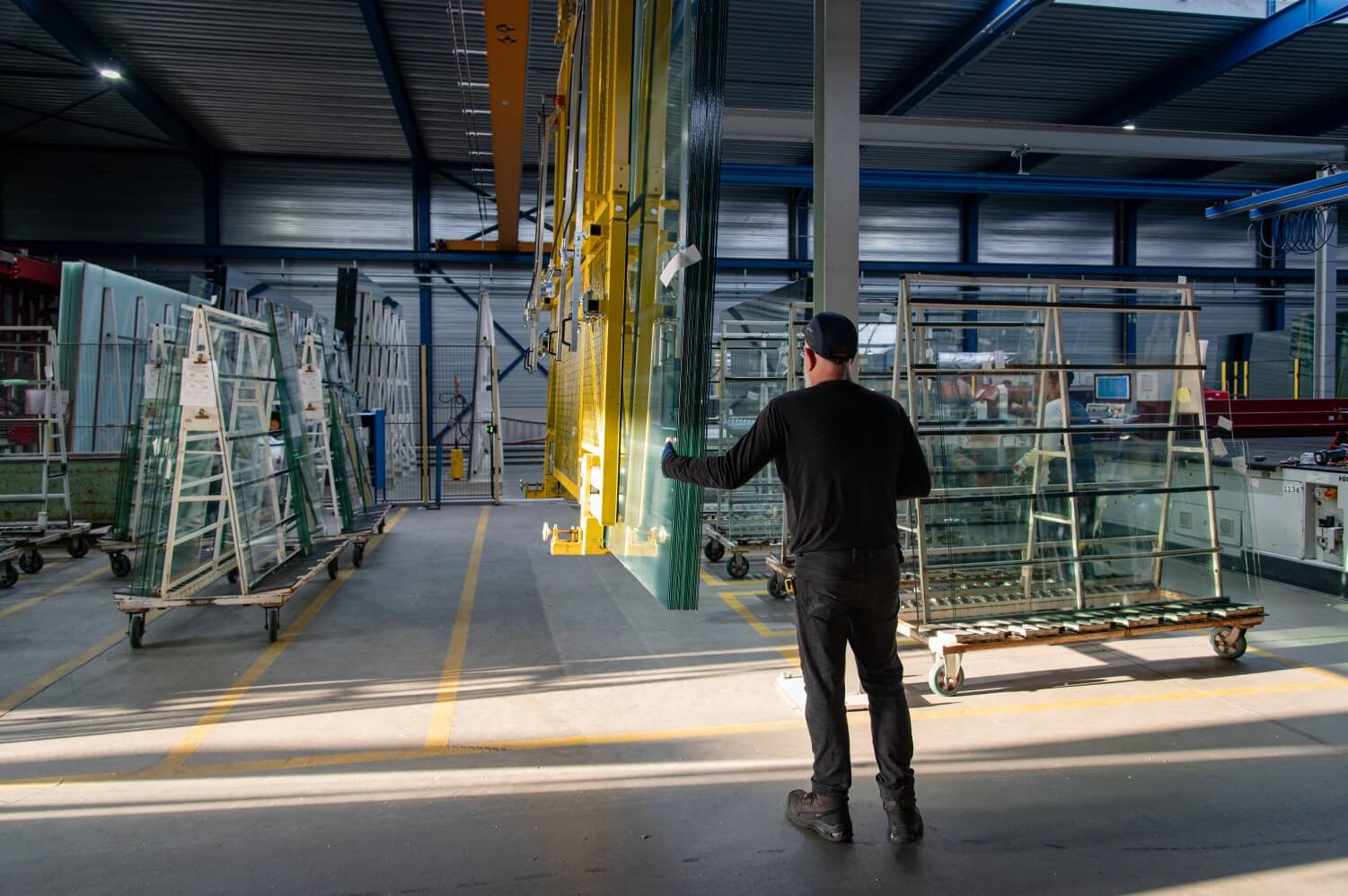
Glass manufacturing is machine-intensive by nature. From cutting tables and edge processing systems to tempering furnaces and insulating glass assembly lines, production relies on increasingly sophisticated equipment.
Being part of an ecosystem composed of machinery manufacturers allows Synerglass-Soft to:
This strengthens interoperability and ensures that digital systems are engineered with a full understanding of production realities.
Public incentives and fiscal measures significantly influence modernization strategies within the glass sector. Industry 4.0 investments, energy-efficiency upgrades, and digital traceability systems are often supported by structured tax programs and national legislation.
Through GIMAV’s legislative monitoring and policy analysis, Synerglass-Soft can design solutions that align with:
This ensures our clients implement digital systems that not only optimize production but also support eligibility for industrial incentives.
Energy consumption is a central concern in glass production. Furnaces, tempering processes, and climate-controlled environments require significant resources. As regulatory frameworks increasingly focus on sustainability, digital monitoring becomes indispensable.
Access to GIMAV’s seminars and discussions on energy management allows Synerglass-Soft to remain closely connected to evolving sustainability requirements, reinforcing our ability to deliver tools that monitor performance, analyze consumption, and support efficiency initiatives.
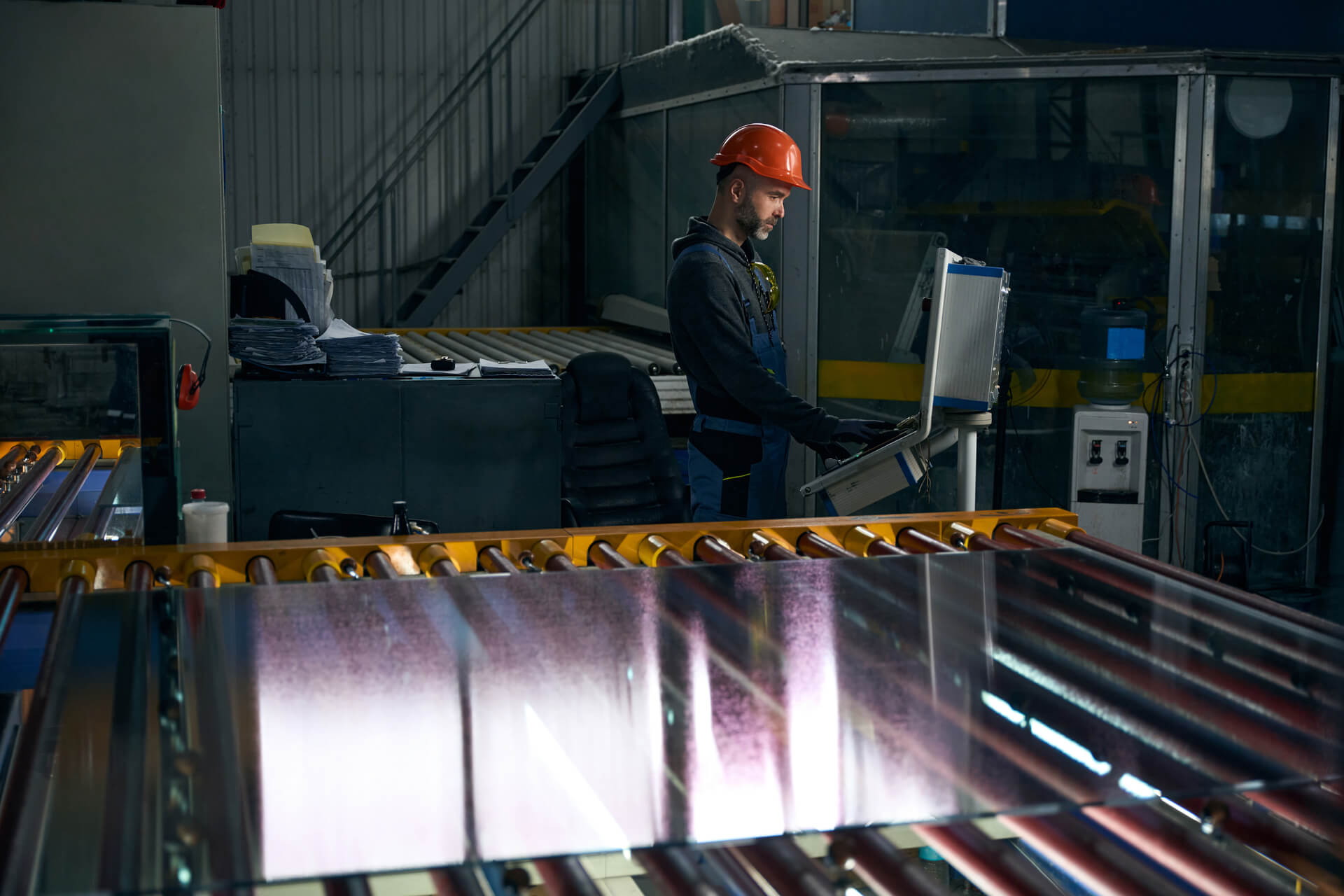
The transformation of the glass industry is not purely mechanical—it is digital. Production lines are becoming interconnected systems generating large volumes of operational data.
This partnership fosters dialogue between those who build the machines and those who design the digital infrastructure around them. It enables:
By participating in this ecosystem, Synerglass-Soft contributes to and benefits from collective industry intelligence.
The glass sector is navigating significant shifts:
Digital systems now play a central role in addressing these pressures. They connect departments, integrate machinery, streamline reporting, and provide the data needed for informed decision-making.
Through collaboration with GIMAV, Synerglass-Soft strengthens its position within this evolving landscape—not as an external software vendor, but as an active participant in the industrial ecosystem shaping the sector’s future.
Vous gérez votre entreprise de traitement du verre depuis un certain temps déjà et, à mesure que vos activités se développent, il devient de plus
Lorem ipsum dolor sit amet, consectetur adipiscing elit, sed do eiusmod tempor incididunt ut labore et dolore magna aliqua. Ut enim ad minim veniam, quis

Les transformateurs de verre font face à des défis uniques que les ERP classiques ne peuvent pas gérer efficacement. Découvrez comment un ERP spécialisé pour